
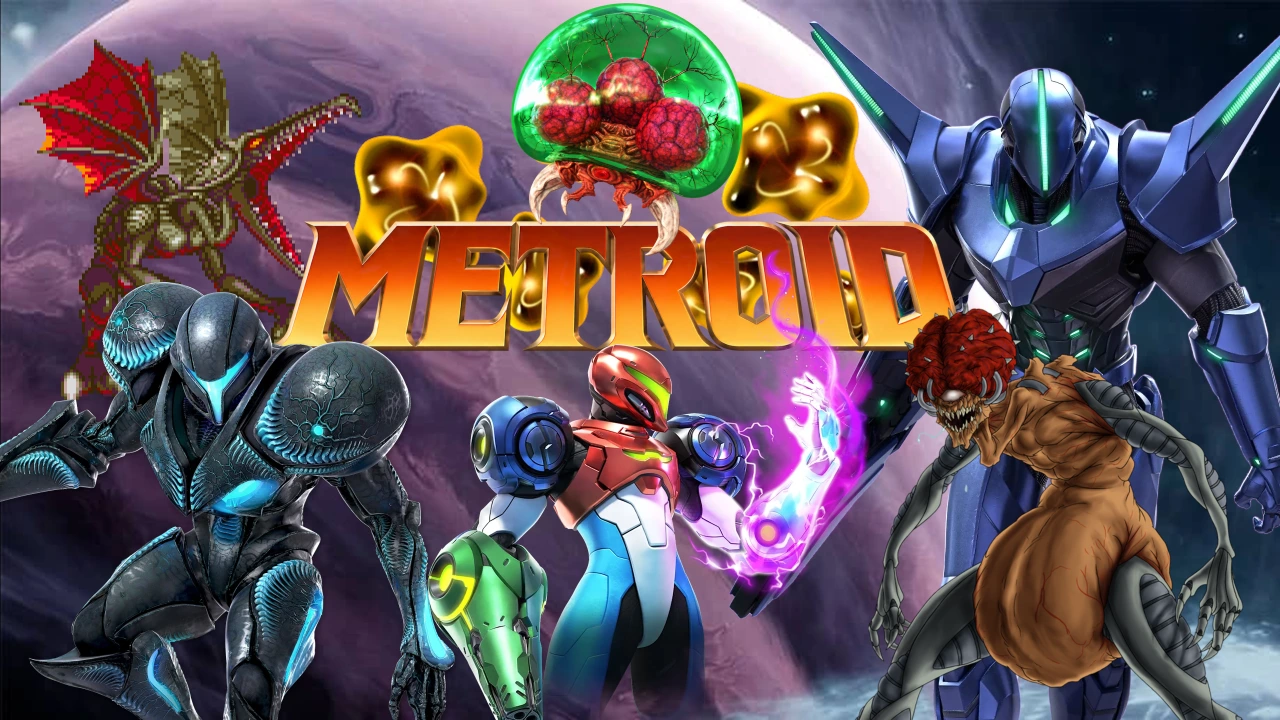

The year was 2002, I was ten years old. Metroid was the center of my universe.
After playing as Samus Aran in Super Smash Bros. for years, my parents finally bought me Metroid Fusion, a game I didn't even know existed, after I'd been begging them to buy me Metroid II: The Return of Samus for actual years. I distinctly remember asking Santa for Metroid 2 two years in a row, and the old dude playing him at the mall absolutely not knowing what the hell I was asking for.
I think it goes without saying, but I'll say it anyways: Samus Aran is the coolest video game character ever designed. Not only is she incredibly cool looking both inside and out of her armor, but also her dynamic Power Suit evolves in each game and across the series, equipping her with polychromatic tools for violence and navigation. She also represents the strong, silent type, facing untold cosmic horrors and adversaries across decades of Metroid games, keeping a cool head and demonstrating killer precision and raw strength in overcoming each challenge. All of this is bookended by the fact that she was raised by hyper-advanced, spiritual and mysterious bird aliens, the Chozo. Did I mention she's a space babe?
The Metroid series was and is heavily inspired by space-horror films, most notably Alien and its sequels, featuring unstoppable aliens in the Metroids, the series' namesake creatures. Samus, inspired by Sigourney Weaver's "Ripley," often faces off against Ridley, her nemesis, a space dragon named after director Ridley Scott. There's a constant theme of isolation, powerlessness, enhanced by visual design elements inspired by H.R. Giger, the artist behind Alien's Xenomorphs across each title. Later installments feature monsters heavily inspired by John Carpenter's The Thing. What ties Metroid to these films truly is the feeling of insurmountable odds, creatures beyond our understanding, and growth as Samus slowly and carefully acquires the tools to face these horrors head on.
Dear reader, to truly appreciate the Metroid series, you must understand the highs and lows of the series' 35-year history, and the dull ache of not having a single, new, good Metroid title in over a decade.
Metroid has really felt like Nintendo's biggest black sheep franchise, similar to Star Fox and Mother/Earthbound, where we've gone long stretches without installments, or they simply don't know what to do with them. Metroid was positioned to join Nintendo's other flagship franchises, with three installments within the first decade. The series kicked off with 1986's Metroid for the Nintendo Entertainment System, followed up by 1991's Metroid II: Return of Samus on the original, colorless Game Boy, and rounding out with 1994's opus magnum, Super Metroid on the Super Nintendo, which many consider to be the series best title to date.
Beyond even her own titles, Samus was featured as one of twelve characters in the original roster of Super Smash Bros., released for the N64 in 1999, and its 2001 GameCube follow up, Super Smash Bros. Melee, introducing many new players like myself to the character before even trying one of the games. Even among the colorful roster in Smash, Samus stood out. Her attacks were robotic and metallic when making contact, she heavily relied on long-range projectiles, and she did this weird thing where she turned into a ball and "pooped" out a little bomb. Despite not being particularly strong, she caught the eyes and captured the hearts of thousands of players who never would have known where she came from.
Phase 1: Metroid Origins
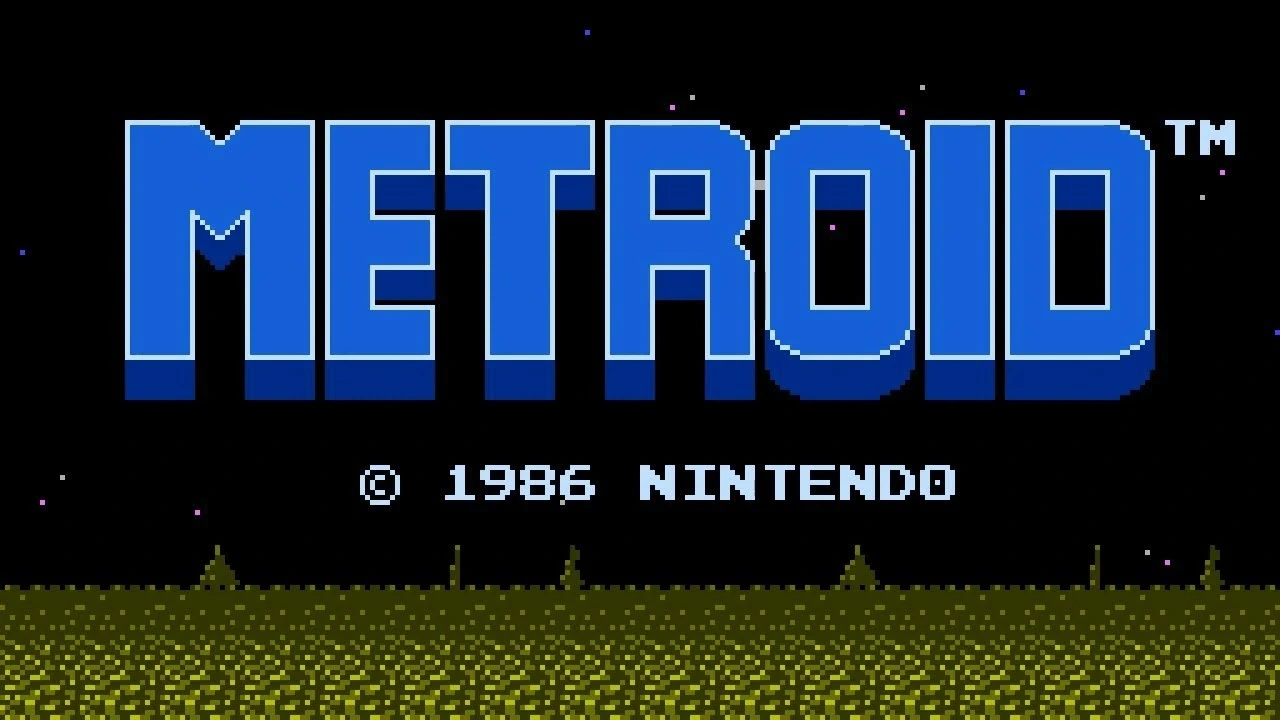
Metroid was the first 2D side-scroller game that not only allowed, but demanded players move to the left of the screen. Famously, the player would immediately encounter a passage too small to pass through when initiating their game, forcing them to move left to discover an upgrade to allow passage. That upgrade, the equally famous Morph Ball, allowed Samus to convert into a ball the size of a single in-game tile, designed to replace the need to design a crawling animation.
Players would collect many upgrades in their journey that would become synonymous with the series moving forward: Missiles and Super Missiles, the Ice Beam, and the Screw Attack, all of which would empower Samus to explore new areas and tackle foes previously beyond the threshold of her ability. The series pioneered a gameplay style that would introduce new upgrades along the journey, allowing the player to explore and navigate regions previously inaccessible with each acquisition. Players would explore the seemingly expanding world as they earned each power-up, and be able to continue their adventure between multiple sessions by saving their progress with a password system, commonly used in games of the NES era. While the experience was ambitious and new, it was equally as frustrating; the player started with 30 energy (Metroid's "health" resource), regardless of Samus's maximum capacity, and the different rooms didn't do much to differentiate themselves from one another. Players smart enough to draw their own maps would be rewarded by creating the only navigable resource for the game.
Metroid was revolutionary for the time but aged like milk, even compared to its direct sequel. A consequence of its release in the 80's was the limit of what could be contained within a NES cartridge, and I don't recommend going back and playing it today unless you're a glutton for suffering. The good news is that there was only room to improve from there.
Metroid II: Return of Samus introduced a slightly more linear take for the budding series, a wise decision in my opinion to take advantage of the Game Boy's even more limited capacity. Players were restricted to explore smaller zones until they eliminated a certain number of the titular Metroids, which would then expand the map downward to deeper reaches of the desolate planet SR-388. The gameplay was relatively similar to the prior entry, but the game utilized the same internal battery technology that allowed Pokémon players to save their game without use of a password, significantly reducing the complexity of continuing their adventure.
I wouldn't get a chance to play Metroid II until much later in my life, and I'm glad I did though it didn't age particularly well. Like many games for the Game Boy, it's incredibly ambitious for the platform but suffers from a lot of monotony - you can expect to fight the same handful of enemies from start to finish in very repetitive environments. It was a proper stepping stone, however, to get us ready for the next home console entry.
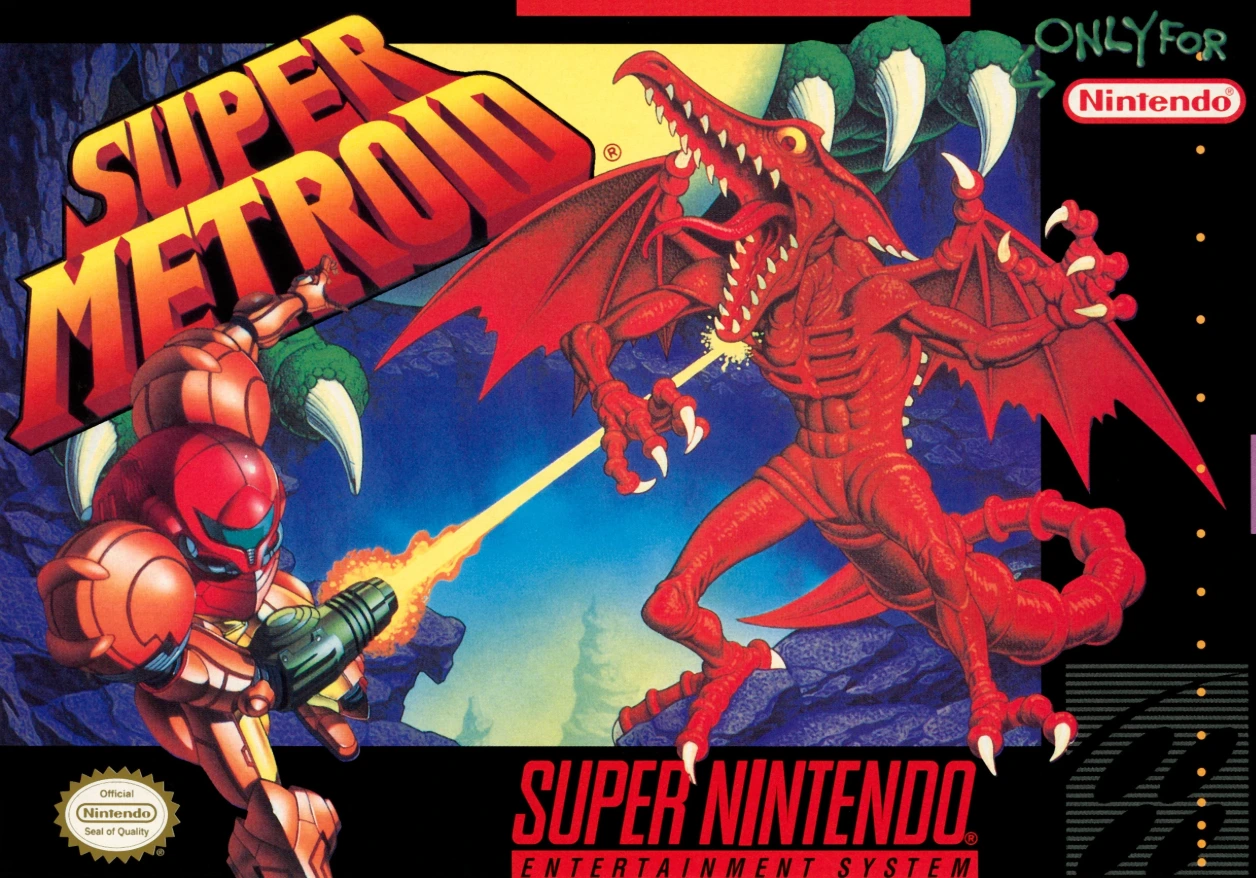
Like many games for the Super Nintendo Entertainment System, Super Metroid was an evolution in every direction from its predecessors. While serving as the third entry in the series, the game presented almost as a remaster of Metroid, placing Samus once again on the planet Zebes. Players returned to many of the same environments, and faced many familiar enemies, both delivered in higher resolution than the NES could produce. Additionally, they explored new areas, faced against new bosses, and earned new upgrades like the powerful Gravity Suit and Plasma Beam, expanding on her already-impressive arsenal.
For the time, the gameplay was smooth and complex, taking advantage of each button on the SNES controller, allowing for eight-directional firing, and increased togglable arsenal of missiles, super missiles, an X-ray visor, and grapple beam. Among the most significant improvements was the inclusion of an in-game map, including a mini-map in the corner of the screen, helping fans navigate the complex interconnected and winding tunnels of Planet Zebes.
My first time playing Super Metroid was in high school on a computer lab P.C. using ZSNES, installed by a friend of mine on the school's network. Boy, that was the best of times. Several of my friends and I would load up the game on lunch periods or after school before we walked home to catch a few minutes of Samus's adventure, basically trying frantically to bolt from one save station to the next before we got caught by one of the teachers. The added stakes enhanced the experience, in my opinion.
At its release, the game was a remarkable success, and has remained a beloved title for generations, particularly in the speedrunning community. Super Metroid was the first in the series to introduce a way to deviate from the intended path of the game. This concept, now known as "sequence-breaking," gives clever and creative players the ability to use Samus's movement abilities to experience the game out of order.
Unfortunately, despite the massive success of Super Metroid we were condemned to a Metroid-less drought for eight long years. There have been rumors that Nintendo attempted to find a way to have Metroid make sense on the Nintendo 64 console, but nothing truly came of it. Fortunately, the wait was well worth it when we got the next installments.
Phase 2: Metroid Supremacy
It wasn't until 2002, that we saw the release of the next Metroid game. As if to make up for near-decade of quiet, Nintendo treated their audience to a simultaneous release of both Metroid Fusion and Metroid Prime. On November 18th, 2002 in North America, the series arrived on both of the current consoles at the time, the Game Boy Advance and the GameCube respectively. 10 years old at the time, I neither owned a GameCube nor was I aware of video game marketing that wasn't featured on Cartoon Network or Nickelodeon, so I had to learn about Metroid from a friend of mine. Almost immediately after, I begged my folks to get me my own copy. I finally got to nurture the love for Samus that I germinated in Smash Bros.
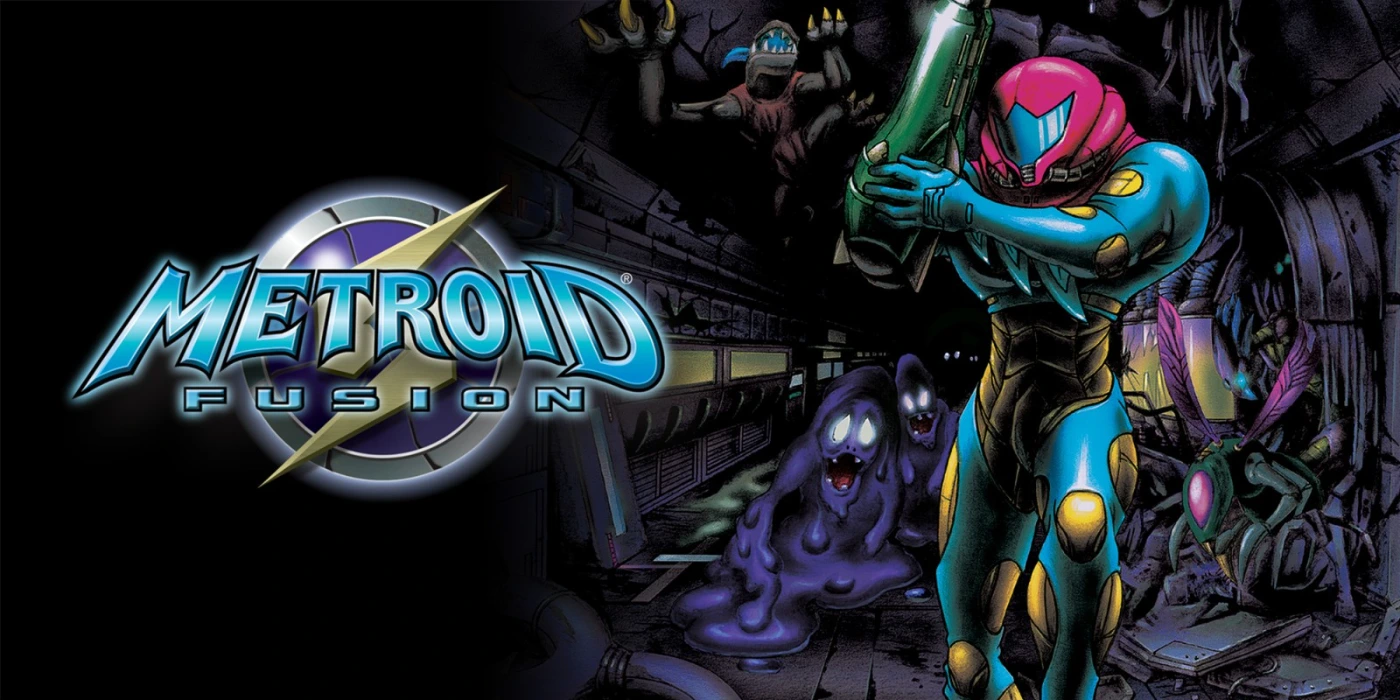
Metroid Fusion in particular holds a special place in my heart - to this day I'm head-over-heels with the search-action (some might know it as "Metroidvania," a name I'm less in love with) genre.
At the time, its contemporaries were limited to the "Iga-vania" Castlevania titles. Castlevania: Symphony of the Night released on the Sony PlayStation in 1997, notably bringing Metroid's exploratory 2D platforming to the genre and revitalizing a well-worn series with a fresh new approach, solidifying it as one of the two grandparents of the genre. Castlevania: Circle of the Moon , Aria of Sorrow, and Harmony of Dissonance all joined Fusion on the Game Boy Advance, and are all titles worth playing even today. Castlevania managed to mix Metroid's classic exploration and progression while introducing a more combat-focused approach and light RPG elements. Today, all of the Game Boy Advance and Nintendo DS-era Castlevania games are available on Steam and modern consoles in the various Castlevania Collections and are all well-worth playing.
Metroid Fusion just clicked for me; our brains are all different and attracted to different experiences and repelled by others, like how I just can't enjoy Fire Emblem no matter how hard I try and want to. I was enthralled with the pace of the movement, the feel of the platforming, and the open map that let me explore at my own cadence. The power fantasy of slowly but deliberately collecting upgrades to expand my access to otherwise inaccessible areas, and armed with new weapons to face increasingly deadly foes kept me coming back for more. To date, I must have completed the game at least two-dozen times, and you can bet that I'll add at least another dozen in there before I get absorbed by an X-parasite.
Oddly enough, Fusion was a notable departure from its trio of predecessors, opting for a more streamlined and guided experience to the totally independently-driven mission of Super before it. It also leaned more into the horror elements of the media that inspired Metroid, pairing a depowered Samus against a fully-kitted alien clone of herself, that you would have no hope of defeating in various stealth and chase sequences throughout the game. As an entry-point to the series, I still heavily value Fusion for removing the biggest obstacles that I would run into when later experiencing Super and the games before it.
Fusion also introduced us to Samus's inner monologue, delivered on her various elevator rides, as well as dialogue. Samus takes direction through most of the game from her new ship's AI, which she dubs "Adam" after a former Commanding Officer, and their relationship actually evolves throughout the game, leading to conversations between them later in the game. Samus, a character known for stoicism throughout each adventure, speaks for the first time in Fusion. I didn't realize how weird it was for Samus to speak on my first run through, as it was my first game in the series, but coming back to it years later, I think they handled it well.
To compare Fusion to Metroid Prime, on the other hand, is like trying to bring definition to future when discussing the past. When I eventually received a GameCube for my birthday and managed to convince my parents to buy me a used copy of Prime, I was met with a much more challenging experience. Prime was our first trip behind Samus' visor, and while the game was expertly designed and delivered an adventure among the best first-person games of all time, learning how to navigate a much larger world in three dimensions meant slowing down. Fusion and Super were both relatively fast-paced games, especially in the boss fights, but the first-person shooter genre was still in its infancy in 2002, and I'm not sure I would even limit Prime by calling it a "shooter," rather an "exploration game with shooting."
It look a little work, but Prime eventually started to make sense as I learned the world, understood the shortcuts, and began to learn the language of the game. Looking back, it really does feel more like a translation of Super Metroid into the third dimension than a new interpretation of the series. Complete with Chozo ruins, Space Pirate facilities, overgrown or environmentally reclaimed areas and arenas, and plenty of alien flora and fauna, Prime captured similar moments as Super and delivered them in newfound glory.
In a stroke of brilliance, Nintendo's Retro Studios included a new way to interact with and learn about the environment through the Scan Visor, an inherent ability of Samus. Activating and utilizing the visor allowed players to pause the game and read hundreds of lore entries, biology notes, and even hints on how to progress through the world or overcome challenging enemies.
Playing Metroid Prime is a little like experiencing the smell after rain, or old books. Even on the first playthrough, it feels nostalgic, like how I miss the 80's despite being born in 1992. It's simultaneously a somber tale and a wondrous adventure, and it deserves to be experienced. The game was remastered for the Nintendo Switch in 2023, giving the aged title a well-deserved update. At the time, and even today, the game stands out as a genius work.
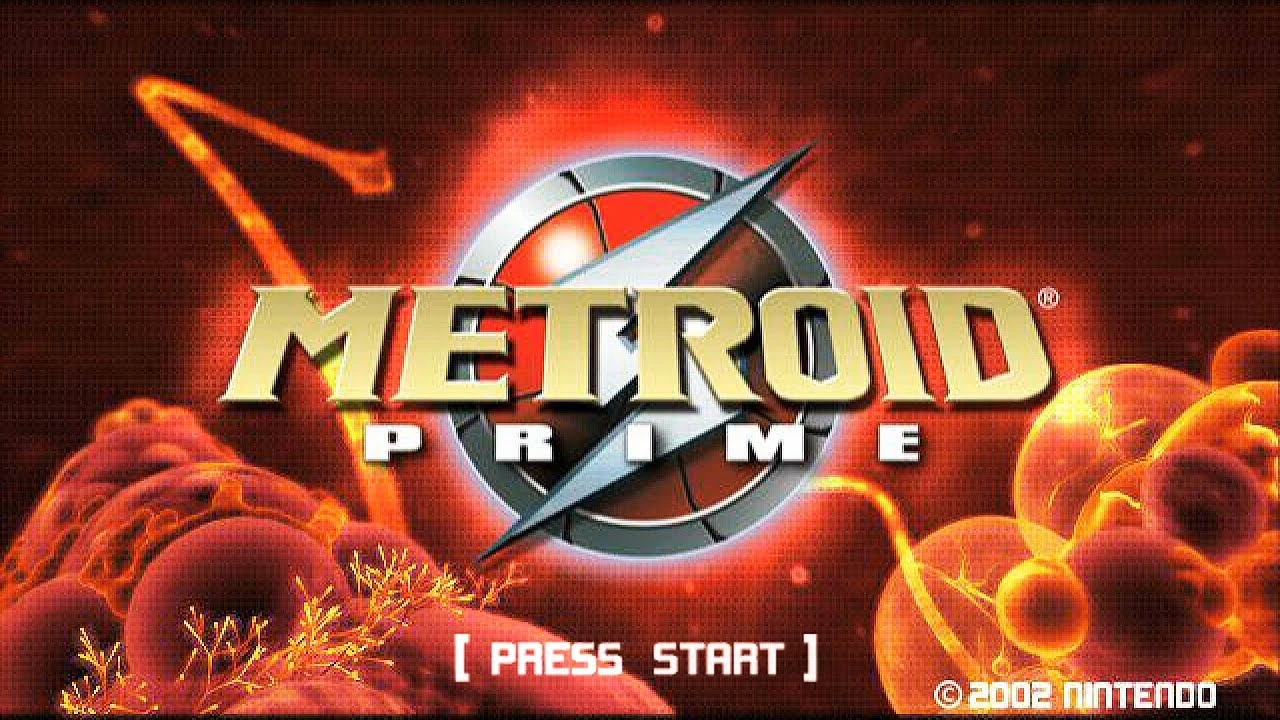
I don't have the data, but I assume that Metroid Prime was a much greater success than Fusion, considering that the next few years only brought new Prime games, including the online multiplayer Metroid Prime: Hunters and Metroid Prime: Pinball the Nintendo DS. Following the release of Metroid Prime 3: Corruption, the series received a full remaster, delivering the game's Wii-motion controls across each game in the Metroid Prime Trilogy. Samus was also featured in the next Super Smash Bros.: Brawl, released on the Wii in 2008, giving Samus the ability to switch between her Power Armor and "Zero Suit" for the first time.
Curiously, a lore entry in Metroid Prime 3: Corruption from a seemingly random environmental scan, stated "Experiment status report update: Metroid project 'Dread' is nearing the final stages of completion." This gave credence to a poorly kept secret that Nintendo was developing the next installment of the mainline series to follow up Fusion, a project that would be titled Metroid: Dread. For years, fans speculated that the game might be "coming soon", despite the lack of an announcement from Nintendo. This teaser would eventually bear fruit, but internet forums (before Reddit and Twitter were popular, we had forums and message boards dedicated to our fandoms) would speculate for years, driving invisible hype and slowly, but surely, building pressure within the community.
The huge success of Prime isn't to say that there wasn't any love for the Game Boy Advance, which saw the launch of Metroid: Zero Mission in 2004. Zero Mission reimagined the original Metroid into an updated, more enjoyable experience, and added an additional chapter after what would be the conclusion of the original game. It allowed for new fans to the series to have an entry-point that wasn't miserable to play, like 1986's Metroid was (and is), and filled out some of Samus's poorly-defined backstory beyond what was previously available. For the most part it was well received, but Fusion resulted in much higher sales, and fans today still argue which of the Game Boy Advance entries provide a better starting point.
Zero Mission's biggest challenge was overcoming the source material it was developed from. Metroid had very few boss battles, and relatively uninteresting upgrades compared to what we saw in Super and Fusion, and an incredibly blocky and uninteresting map to navigate. Paired with slightly changed movement to Fusion, it was a harder experience to enjoy than I expected, and while I've played through a few times, I typically don't recommend it compared to the superior Fusion. That didn't stop it from being a fan favorite - and the last true pixel-based Metroid we'd ever get.
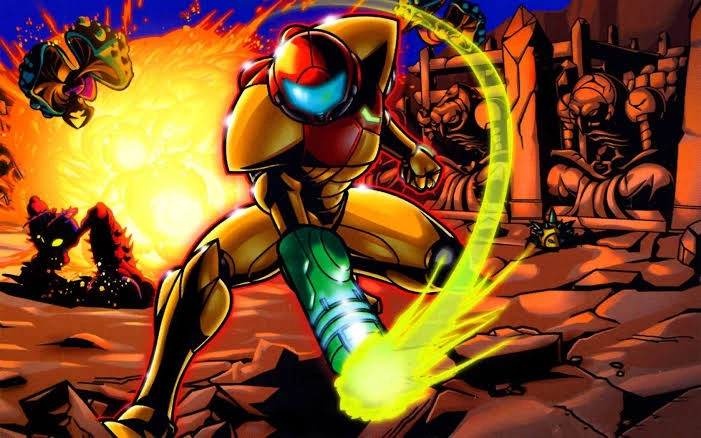
The final entry of what I consider to be the second "phase" of Metroid titles was the killer, and widely regarded as the worst "mainline" entry in the Metroid series. Set in the canon after Super Metroid, attempting to lead into Fusion, Metroid: Other M, took what some would call "bold direction" with the series. Other M abandoned both the first-person wonder of the Prime games, and the 2D exploration of the mainline titles to create a more action-oriented experience that attempted to capitalize on the best of both of their siloed experiences. Unfortunately, this was paired with some of the worst writing the series.
Metroid, with the exception of Fusion, is known notably for a less-is-more approach to characterization, with the majority of Samus's development being shown in her reactions to things around her. Reducing Samus to a compliant soldier instead of the independent badass she was known to be, Other M tried to extrapolate on her relationship with Adam, and her place within the Galactic Federation, a storyline introduced in Fusion.
I have never played Other M, as I was repelled by the concept, the reviews, and the fan reception, but anyone who has played it has told me I haven't missed anything. Despite the Wii being such a success, Nintendo wasn't batting anywhere close to 1000 with the games they released for it. Not only did Other M look dismal compared to even the fidelity of Prime 3: Corruption, but the gameplay just wasn't exciting, and it suffered from trying to do everything, leading to a lack of quality in every direction.
Unsurprisingly, the game was met with lukewarm critical reception and was received poorly by fans, leading to the most dismal sales the series had seen to this point, and resulting in the next great Metroid drought.
Phase 3: Metroid Resurrected
After Other M's loud and disappointing results, we were subjected to another quiet decade. Once again, it's hard to embed this feeling in someone new to the series - today, we're used to waiting years for new seasons of television shows, and installments of games, but back in the 2010's we expected series to produce new titles at least every few years. Waiting for a new Metroid title was agonizing, especially seeing the treatment that its contemporaries were getting - new Zelda, Halo, and even the Mass Effect trilogy all released within five years of one another. Going six long years, my entire time in college and then some, without a new Metroid game, was agonizing. More so when the next installment was another disappointment.
The first game to debut since the Wii title's failure was yet another baffling entry from a C-Tier Nintendo studio, Next Level Games in the form of Metroid Prime: Federation Force for the Nintendo 3DS. Touting four-player cooperative play, Federation Force was meant to be another attempt to get a new generation interested in the Metroid series. Bizarrely, Nintendo felt the best way to execute this vision was to put players behind the visors of random, nameless Galactic Federation soldiers in prototype power armor and have them complete various missions with different objectives across varied environments. Even stranger, they felt it was an interesting decision to have Samus get captured and mind controlled, having her serve as the game's final boss before returned to her own faculties by the troopers, making Federation Force the second game in a row to assassinate Samus's character. The game was a complete flop, delivering terrible sales and worse reviews.
Against all expectations, Metroid saw a revival the very next year in 2017 also on the 3DS, returning to Metroid II with a remake from MercurySteam, the studio behind Castlevania: Lords of Shadow, the most recent games in the long-dormant series. Originally their intention was a remake of Fusion, with the goal of realizing the director's vision for a monster that would chase Samus down with no hope of defeating it. Nintendo declined the pitch, requesting if they were to make a Metroid game, they would remake Metroid II.
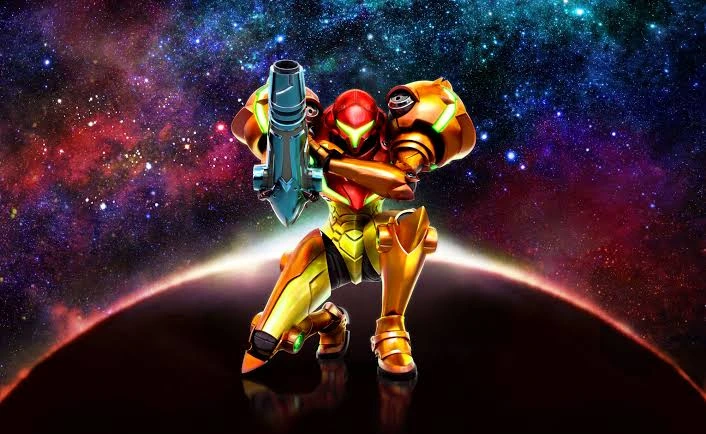
Metroid: Samus Returns released to a quiet but noticeable fanfare. MercurySteam clearly wanted to make an impression and modernize the series, taking some small-to-medium risks with a game that was relatively safe to play around with - that is to say the original Metroid II was so utterly boring that any changes were welcome.
The re-envisioning introduced several new mechanics: a melee attack with her arm cannon, which Samus would use to parry and counter enemy attacks, special "Aieon" abilities that would require a rechargeable resource in exchange for powerful abilities, and the ability to aim in 360 degrees, opening up from the series' previous 8-direction aiming. They also took some liberties with the story, introducing some new bosses, Chozo lore, and ending. The game was considered a hit, and the longtime fans like myself hopped right back on the hype train. Surely, if Nintendo was dipping their toes into the 2D Metroid pool again, eventually they'd jump on it and give us something great, right?
Following the success of Samus Returns, the future of the series was optimistic. Huge celebration followed the announcement of Metroid Prime 4 at E3 2017, resurrecting the clear fan-favorite but long-dormant Metroid Prime series. What concerned fans like myself was that the architects of the Prime series, Retro Studios, would be absent from this game's development, raising some questions in the community over the quality and direction without them. Over the next few years, there was jarring silence - aside from the inclusion of Metroid Prime's Dark Samus and the long-requested Ridley in Super Smash Bros. Ultimate.
After two long and quiet years without any news, we were worried the game was going to be canceled, or was so already. After all, it wouldn't be the first time that Metroid just lived in development hell and amounted to nothing. In 2019, Nintendo broke the hearts of thousands and announced that development of Metroid Prime 4 was being started from scratch, with the silver lining of bringing Retro back in to head development. The following several years would remain painfully quiet as fans awaited news of Metroid's arrival on the smash-hit Nintendo Switch console.
To my - and everyone's - surprise, Nintendo finally announced the long-rumored Metroid: Dread during E3 2021. Developed by MercurySteam in partnership with Nintendo, the series received its first new mainline entry since 2002's Fusion that October, continuing Samus's canon after the open-ended conclusion that Fusion ended on. Dread quickly became the series' highest-selling game of all time, both the quality of the game and the popularity of the Switch contributing to its massive success.
The biggest stroke of brilliance in my opinion was the incredibly short cycle between the announcement and release of Dread. Nintendo brought the game to E3 in the summer, and released the game only months later in that October. The debut trailer was exciting, fast-paced, and showed Samus moving in a 2D space but with highly-detailed 3D modeling, and a stunning new suit.
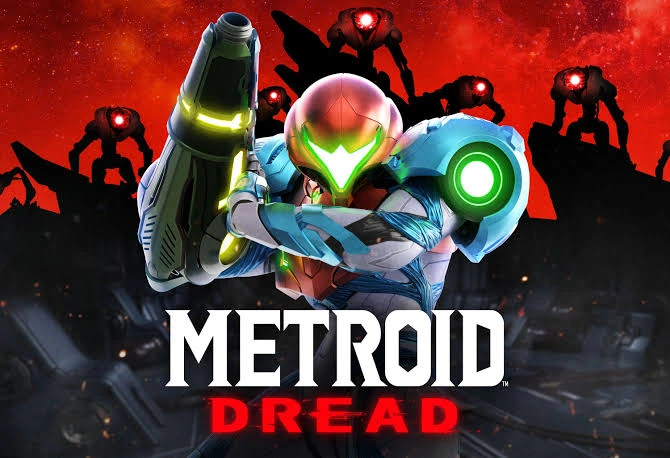
Dread took major swings with the formula, extrapolating on the mechanics introduced in Samus Returns by bringing back the melee counter and Aieon abilities, as well as many of the upgrades fans of the series came to expect. The biggest swing was the implementation of E.M.M.I. robots, a series of incredibly sophisticated machines taken over by some enigmatic force that Samus, through conventional means, could not defeat. The "dread" of the game came from your confrontations with these robots as you were forced to maneuver through their territory while evading and dodging them. Were you caught, only an incredibly short-window opened to counter and briefly stun them, allowing you a moment to regroup and potentially escape.
Dread's release finally called to question which of the Metroid titles deserved to be crowned as "the best." Super Metroid was the true timeless classic, and still is, but Dread brought so much to the table, including absolutely crisp movement and controls, an incredibly paced upgrade path, and delivering tense moments with a dynamic story that brought together events from even beyond the first four games in the series, culminating in the most exciting conclusion of a game in the series to date. For what it's worth, I think Super has been beat.
With Dread fondly in the memories of new and old fans alike, Nintendo released Metroid Prime: Remastered in 2023 on the Switch, bringing modern graphics and controls to the 2002 fan favorite - the remaster was, like Dread, a huge success, bringing incredibly smooth performance and fidelity to a rapidly-aging Switch console. Fans began to excitedly discuss potential remasters of Prime 2: Echoes and Prime 3: Corruption. At the time of writing this article, no such remasters have been announced.
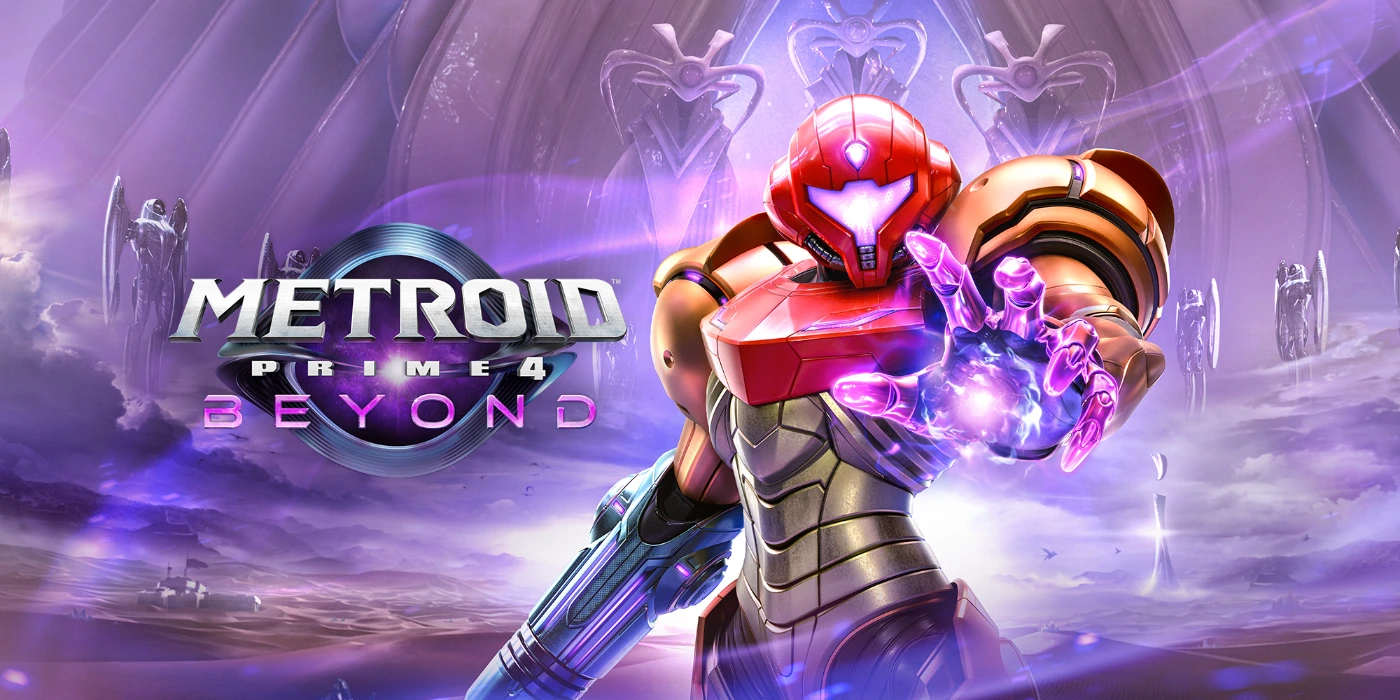
Finally, in 2024, Nintendo released their first trailer for Metroid Prime 4: Beyond, featuring Samus in all of her three-dimensional glory exploring a new alien world, facing off against Sylux, a side-character from Prime: Hunters, taking a larger role as the central antagonist of this new installment. When the game was eventually released in 2025 simultaneously for the Switch and the new Switch 2 console, it was met by utterly mediocre reviews.
After nearly a decade of development, Beyond was heavily hyped, and performed fairly in sales and reviews, but the fan consensus was heavily mixed. Abandoning an interwoven, connected world, Beyond put Samus into an "open" world with each of the various locations serving more like a dungeon one would expect from the older Legend of Zelda games than a Metroid Prime environment. Additionally, Samus had companions for the first time - a set of quirky federation soldiers that would chime in through telecommunications to point the player in the right direction, and generally share unnecessary characterization that only served to detach the player from the typical isolated tone.
The worst part about Beyond is that it's just boring. The addition of these highly vocal companions added so little, especially considering Samus stays completely silent through all of their dialogue moments. Strangely, for a series with so many diverse upgrades, most of Samus's acquired arsenal was just elemental beams (boringly called "Ice Shot" or "Fire Shot") and psychic-charged versions of existing abilities - Psychic abilites were the main "gimmick" of this entry. The world could have been interesting if they had spent more time building it out, but they forced players to farm an astonishing amount of a pointless resource in a literal, barren desert. To get through it, I listened to actual hours of podcasts. It was a dismal experience, and would serve as a miserable conclusion to the series.
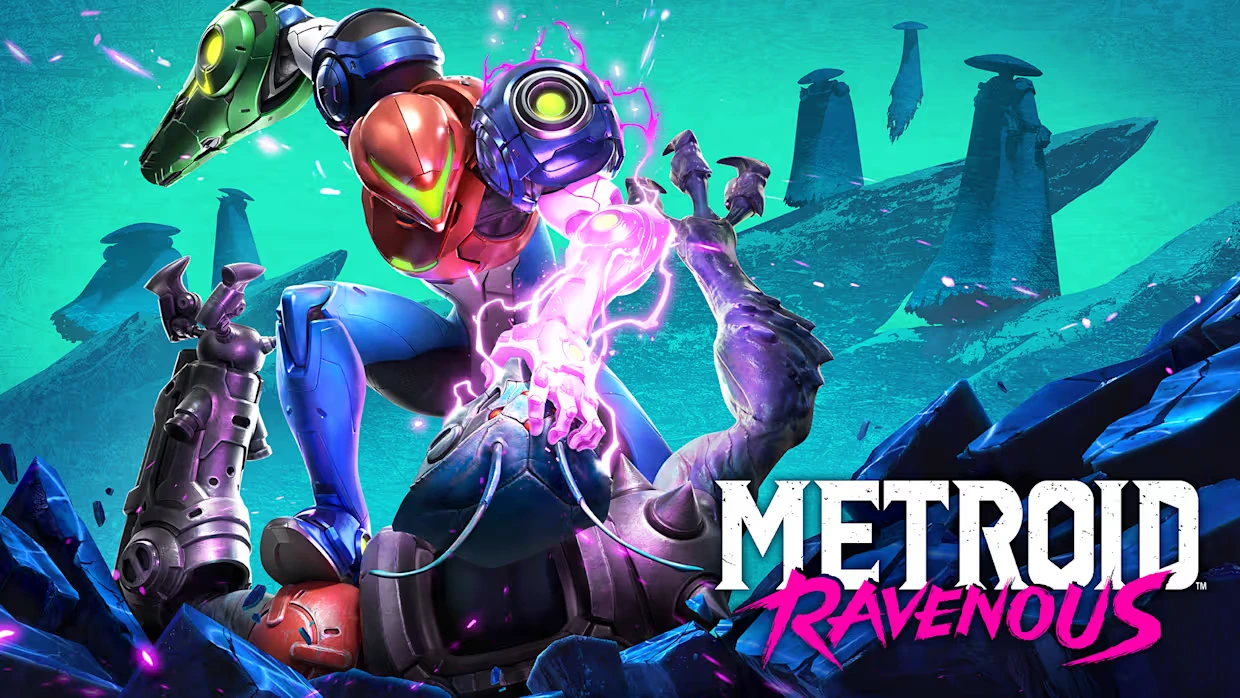
Beyond serves as the most recent entry - for now. On September 9th, 2026, Nintendo announced a follow-up to Dread for the Switch 2: Metroid: Ravenous. The trailer featured a heavy shift from the familiar, abandoning a numeric health system and an abundance of missiles, featuring themes of hunger and scarcity as Samus seemingly must escape a scenario where space ninjas aim to consume her to gain her power.
Ravenous looks incredible, and fans were elated to have a "Metroid 6" so soon after the prior entry after facing decades of being ravenous for their favorite series.
In my next entry, I'll be illustrating a game-by-game walkthrough for fans new to the series so they can get properly acquainted with Samus, understand the Metroid lore, and fast-track the 30 year hype-cycle in time for Ravenous's release in January of 2027.
The year is 2026, I am thirty-four years old. Metroid is the center of my universe.
If you're looking to chat Metroid, join the NoGameOvers Discord server! You'll be a part of a positive gaming community that's not afraid to share their takes but stay open to yours, and share in the hype of Nintendo's greatest dark horse series getting a new entry coming soon.