

Splatoon has always been a curiosity to me. I've been alternating hot and cold on the series, ever since the Splatoon Testfire event before the release of the original Splatoon on the Wii U way back in 2015. I had a lot of fun with it back then, but somehow it just never stuck. I played Splatoon 2's campaign and a bit of multiplayer, and it was fun as it ever was, but I never came back for Splatoon 3. I want to like Splatoon, so why do I keep falling off? Now that they're changing up the formula in favour of a single player focused adventure, will it finally have staying power for me?
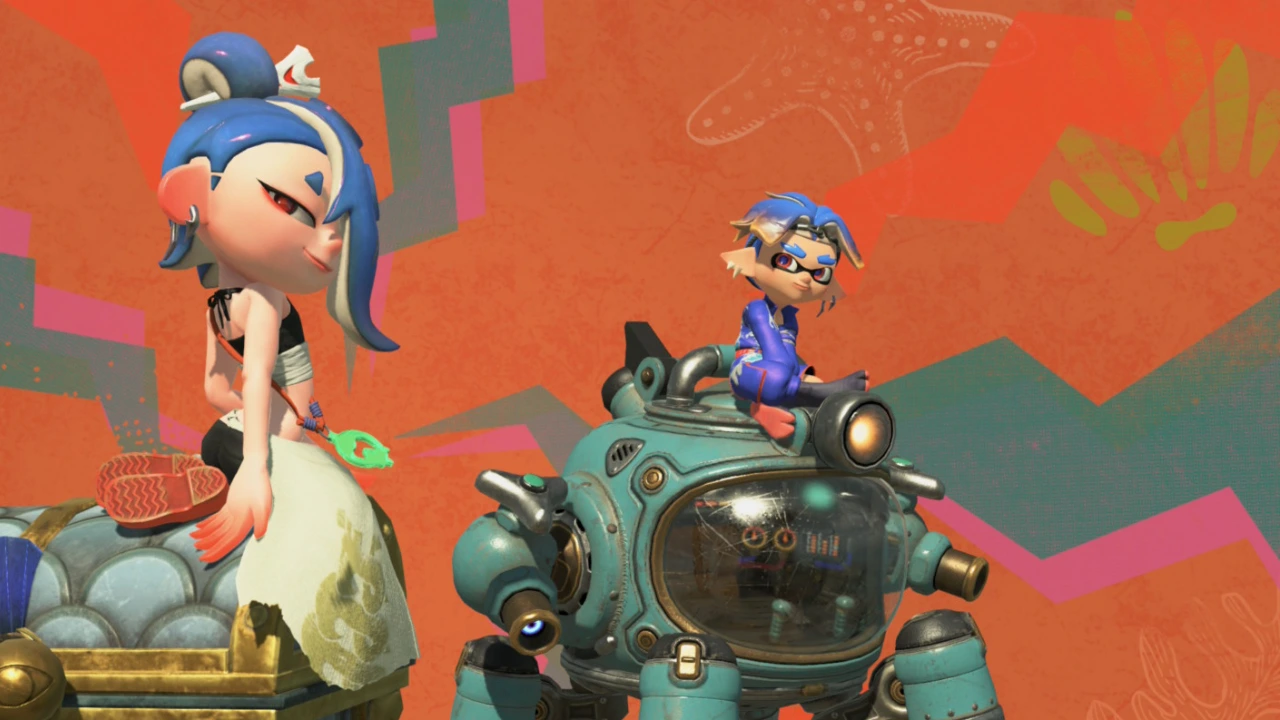
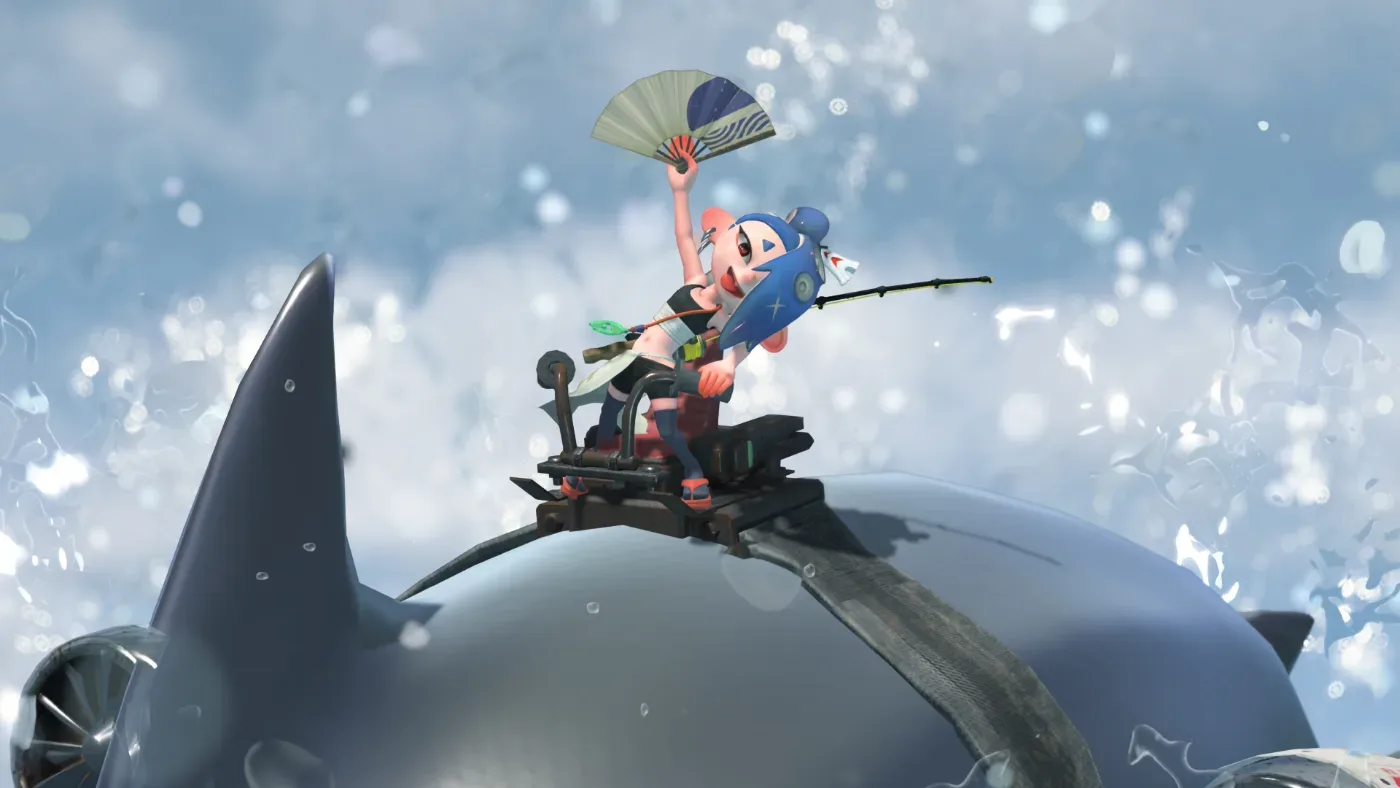
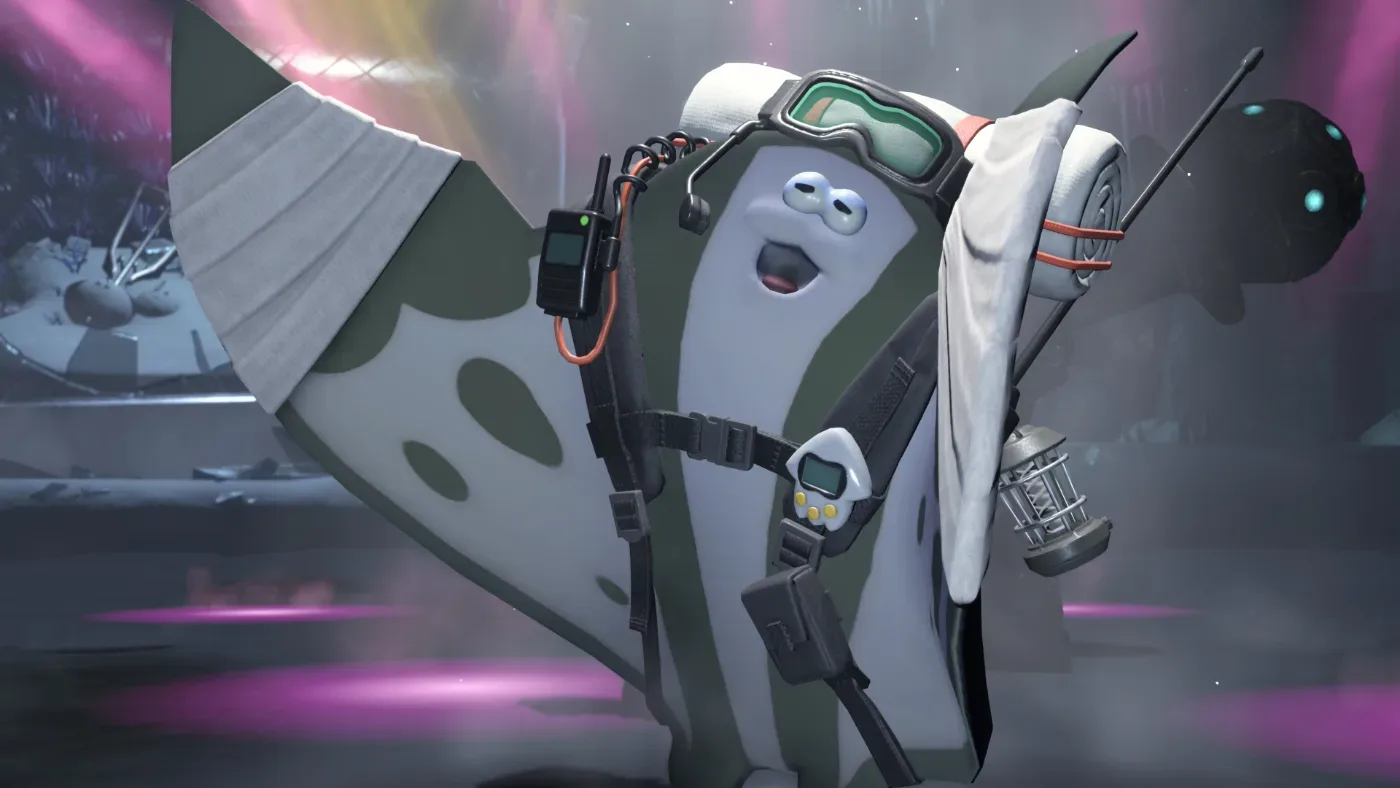
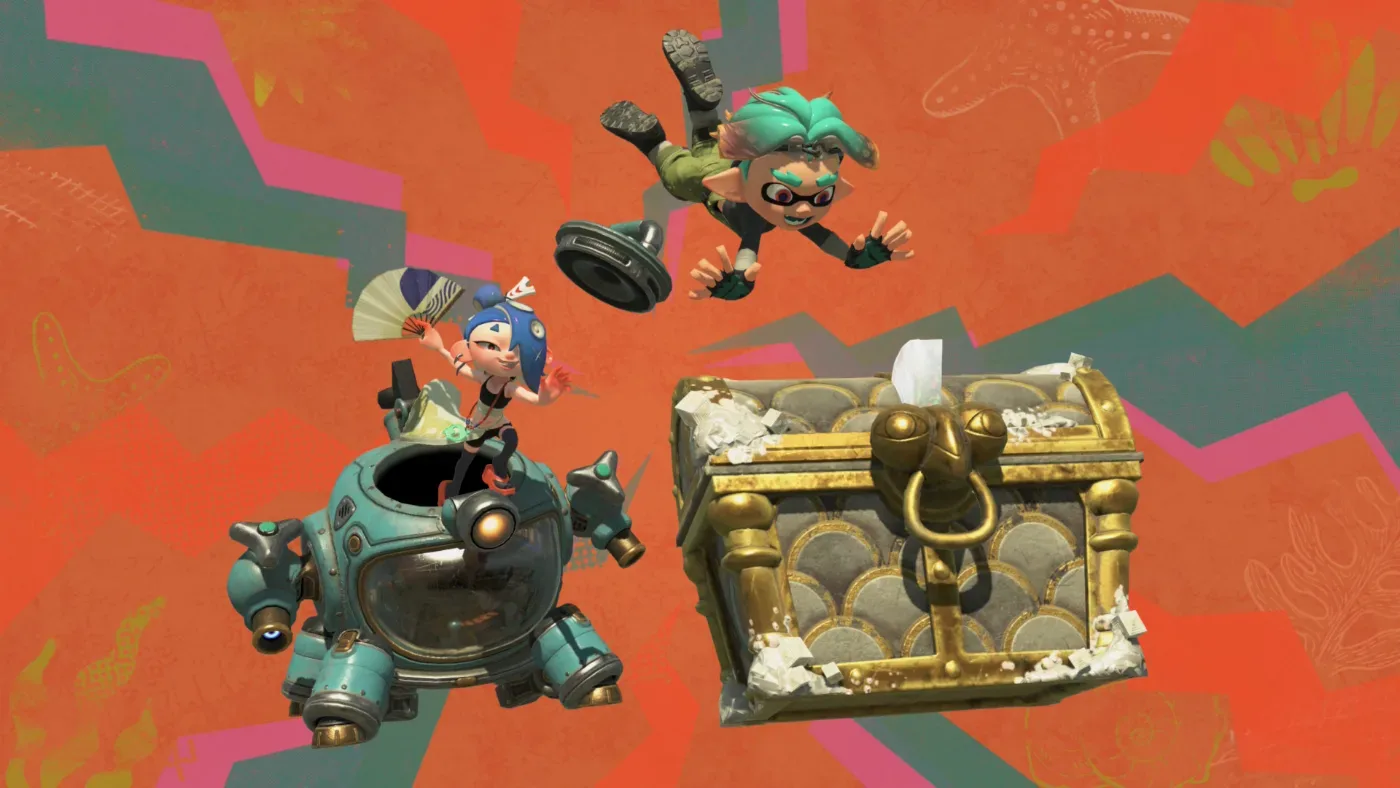
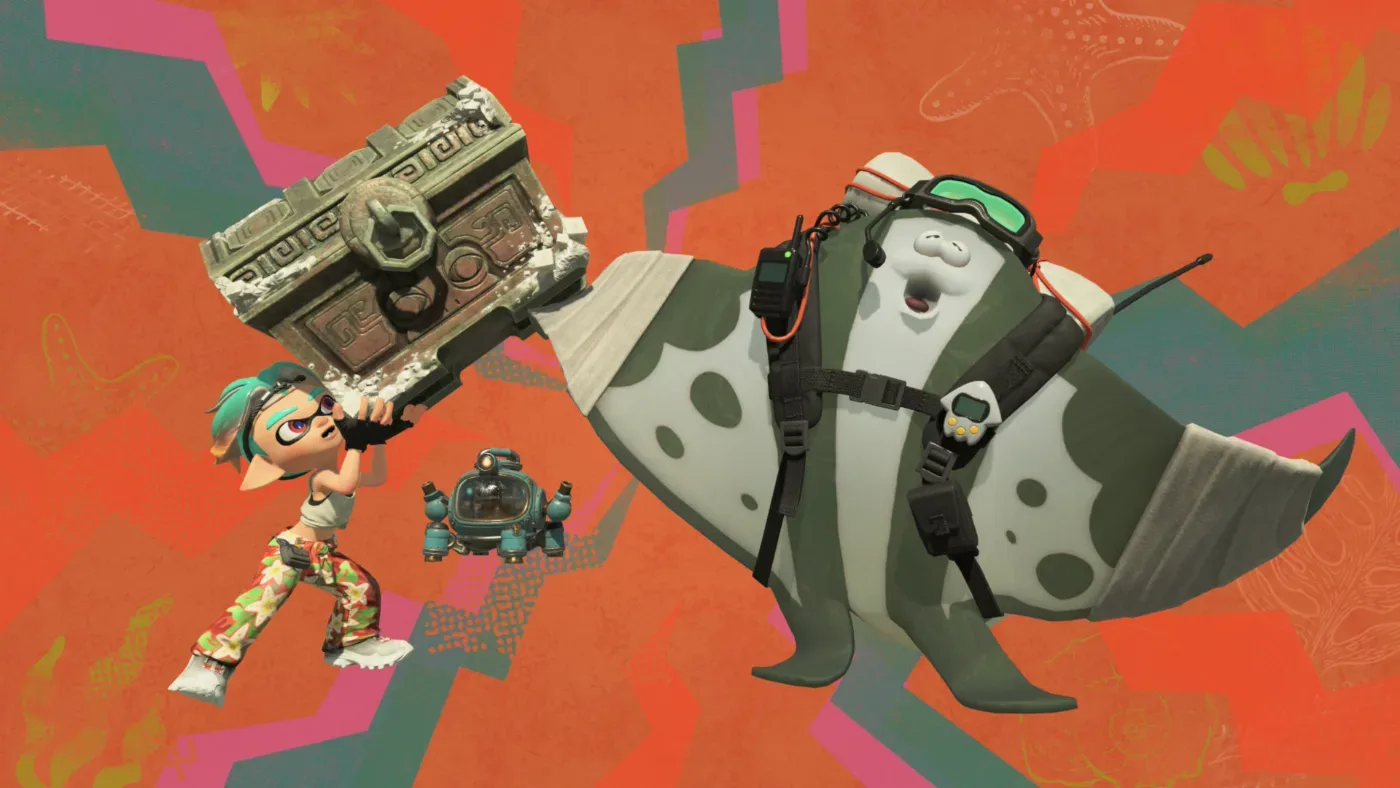
Splatoon Raiders has a cold open, the way all modern Nintendo games seem to. Shiver, Frye, and Big Man of the band Deep Cut (these are characters I am only meeting now, having skipped Splatoon 3) all crash land with their plane's mechanic on the Spirhalite Islands, and set themselves up a survival base on the open waters using the wreckage from their plane. That's the entire set up. You play as the mechanic, doing Deep Cut's dirty work for them and trying to solve the mystery of the Salmonid infested archipelago - and finding some treasure along the way. It's a simple, predictable, family friendly set up, and you really don't need much more than that. Splatoon, as a series, has an interesting, and even arguably lore-dense world as its narrative foundation, but you certainly don't need to have a strong grasp on it to enjoy this story. Final Fantasy XVI this is not, but it's also not meant to be.
The core splat-centric gameplay of Splatoon is relatively unchanged here. Equip your ink weapon of choice, and paint your surroundings and your foes to gain the upper hand. Raiders feels like it must be the natural evolution of the Salmon Run mode in Splatoon 2 and 3 - again, I haven't played that, so you'll have to forgive me if I'm off base with that. The difference is that this game is geared squarely towards single player instead of either competitive or cooperative multiplayer. Gone are the frantic multiplayer matches where you try to coat more of the stage than the opposing team. Gone is the hub lobby filled with other players' avatars with (usually) hilarious Miiverse posts floating over their heads.
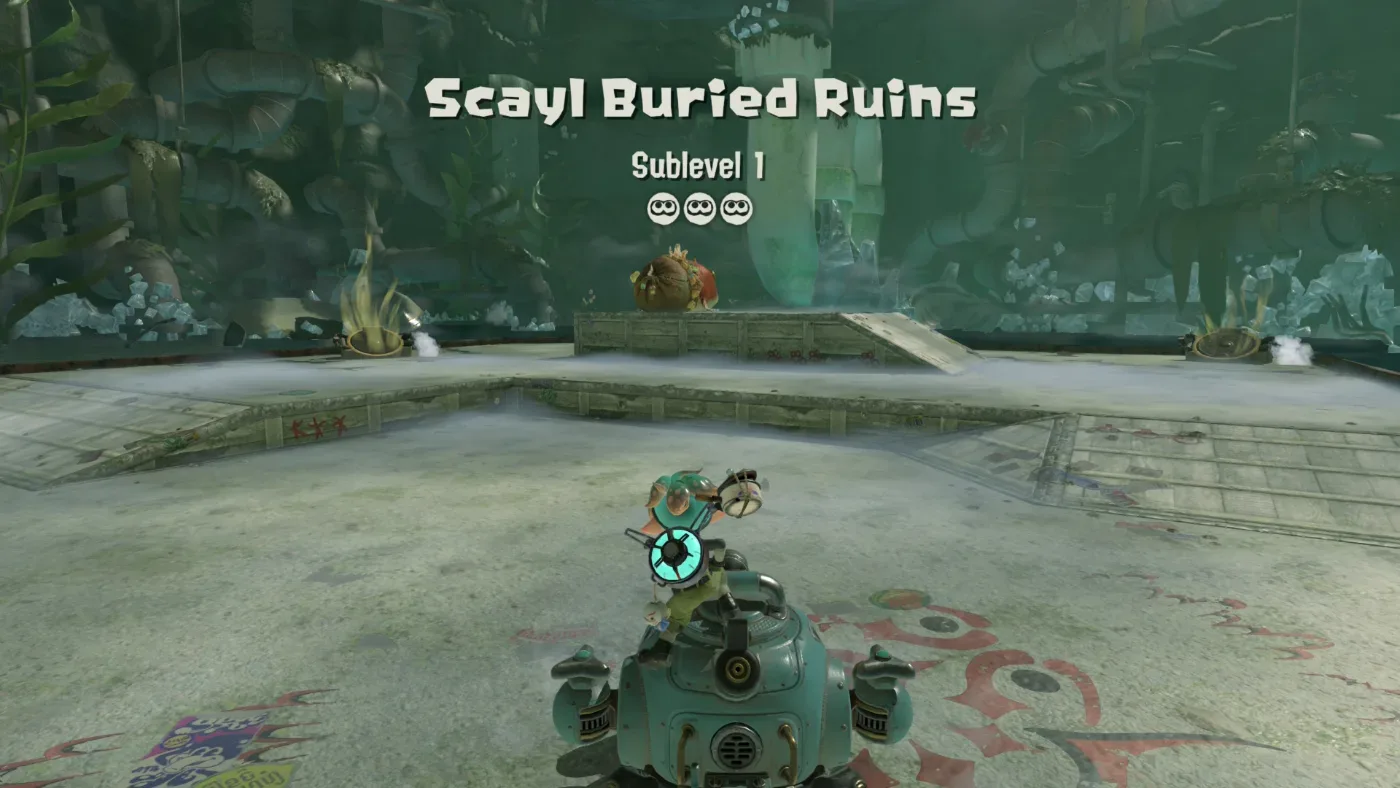
Given that this is primarily a single player outing for Splatoon, there's a lot more granularity to your loadout; the objective is to become the most powerful Squid Kid you can. That means upgrading just about everything. Your ink tanks can level up, your weapons can level up, your base can level up, your gadgets can level up - the list goes on. Even the mechanic himself (or herself) can level up, and with that comes HP and damage gains. It's an addictive gameplay loop of raiding and using the spoils of your raid to level up and take on tougher raids, and I find that it's leaving more of an impact on me than previous entries in the series. The setup of the raids tended to remind me a lot of Pikmin 2 in how they're structured, with sublevels going ever deeper underground.
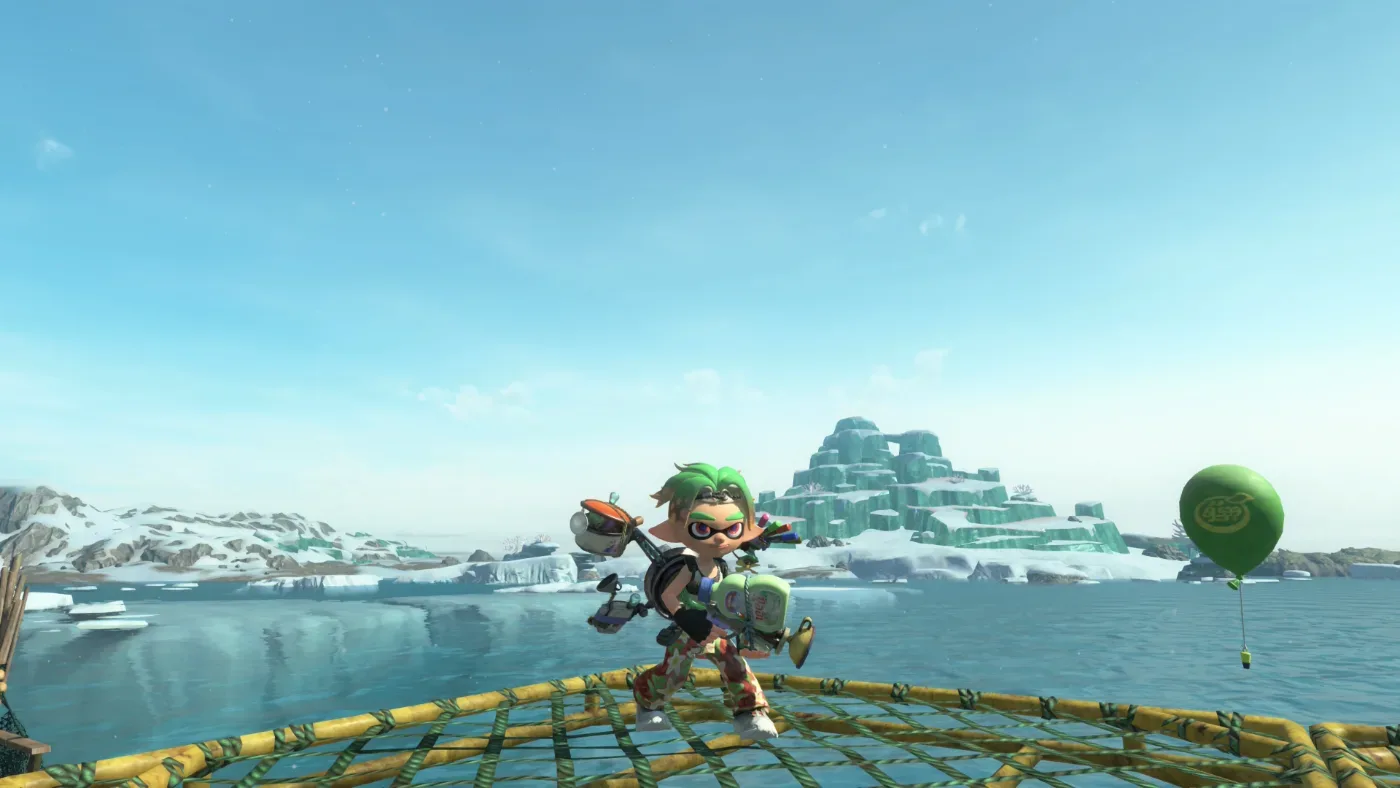
There's plenty of modifiers you can put on your character, too. Finding a treasure in a raid often rewards you with a corresponding relic skill. These can vary from having a double jump, to faster squid swimming speed, to faster recovery time when at low health, and anything else in between. You can also choose between three styles of ink tank that all come with their own set of gadgets to unlock and choose from. And each of those gadgets have modifiers that can be attached to them! And if you level up your character you'll earn skill points that let you unlock the ability to attach more modifiers, among other things! The system is well crafted, addictive, and crucially, very fun.
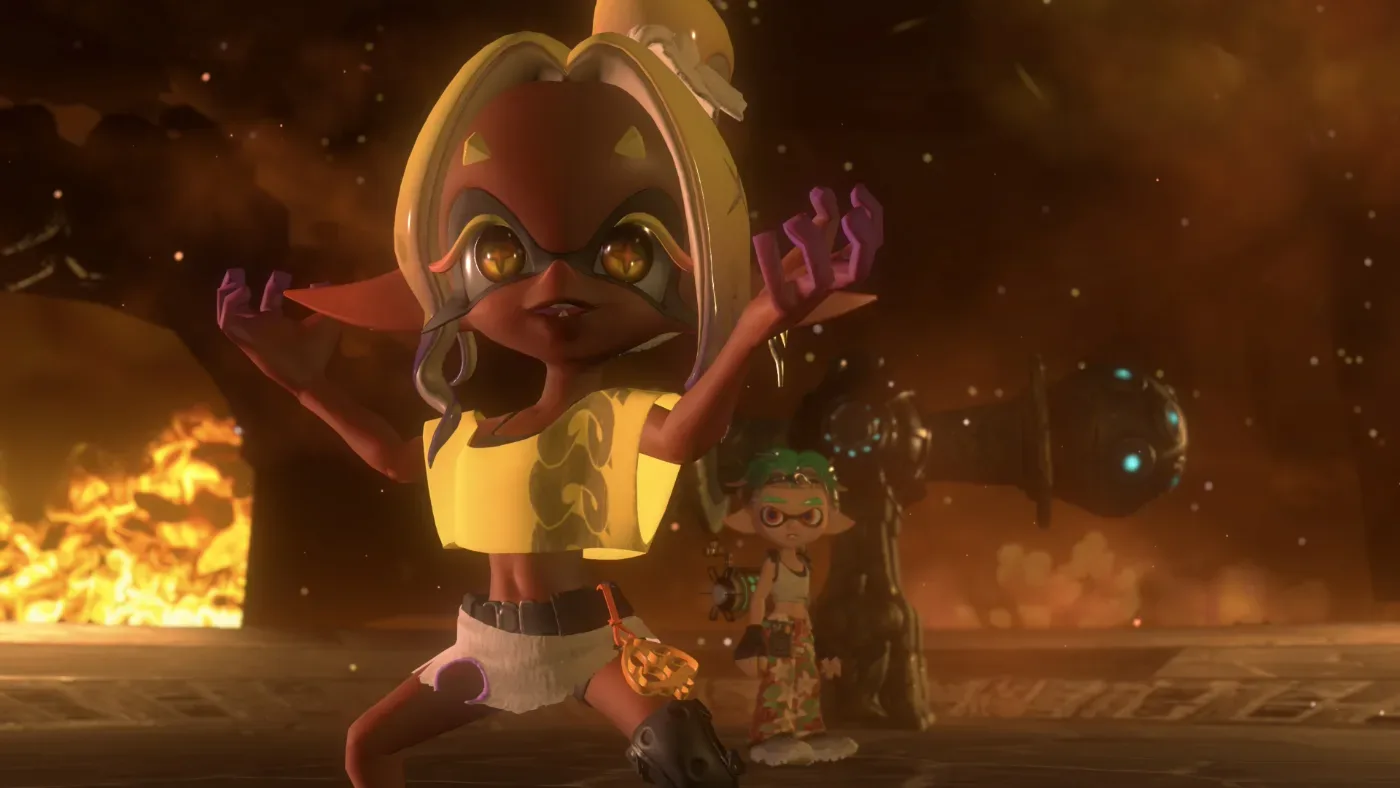
The possibilities feel functionally endless, and all of this granularity in how you build your character means that you'll spend a lot of time at your hideout's test range (which can also be levelled up), checking damage outputs and testing experimenting with weapons and skill synergies. I personally like to run a Steam Blaster, which is sort of like a shotgun, in tandem with the Shot Pot, which is a deployable stationary ink turret that provides some much needed crowd control, and helps protect you from unseen threats. I'm not going to bore you with my entire loadout, but that's the main shape of it. You can also choose which member of Deep Cut you'd like to bring with you on raids: Shiver, Fry, or Big Man. Each of these NPC supporters has their own "Showstopper" attack, which can be charged up by defeating Salmonids and collecting Power Eggs to fill the Showstopper meter. These attacks cover a large area and require varying levels of user input to use effectively. My personal favourite is Frye's Moray Storm, which drops a ton of moray eels on the enemies in your general area. It's a great crowd control option. Shiver and Big Man also have distinct Showstoppers of their own. Oh, and did I mention that these supporting characters can also be levelled up?
I'm quite fond of Shiver and Frye as characters, while we're on the topic. Big Man is charming too, but the two ladies really compelled me. (No, not like that, get your mind right.) The idol or emcee characters in Splatoon have always represented real world analogs - for example Pearl and Marina from Splatoon 2 have been said to be styled after The Notorious B.I.G. and Tupac, respectively - and Shiver and Frye are no different. While not taking after anybody specific in our world as far as I can tell, Shiver has a distinct traditional Japanese style, and Frye broadly represents Southeast Asia. I'm sure this was also true in Splatoon 3, but again, I missed that one. These cultural influences are often allowed to take centre stage in brief musical interludes too, which is incredibly entertaining, even if they're speaking (singing) Inkling the whole time. Splatoon has always been surprisingly progressive about individuality and multiculturalism, especially since it's a game about anthropomorphic squid people, and Raiders is no different.
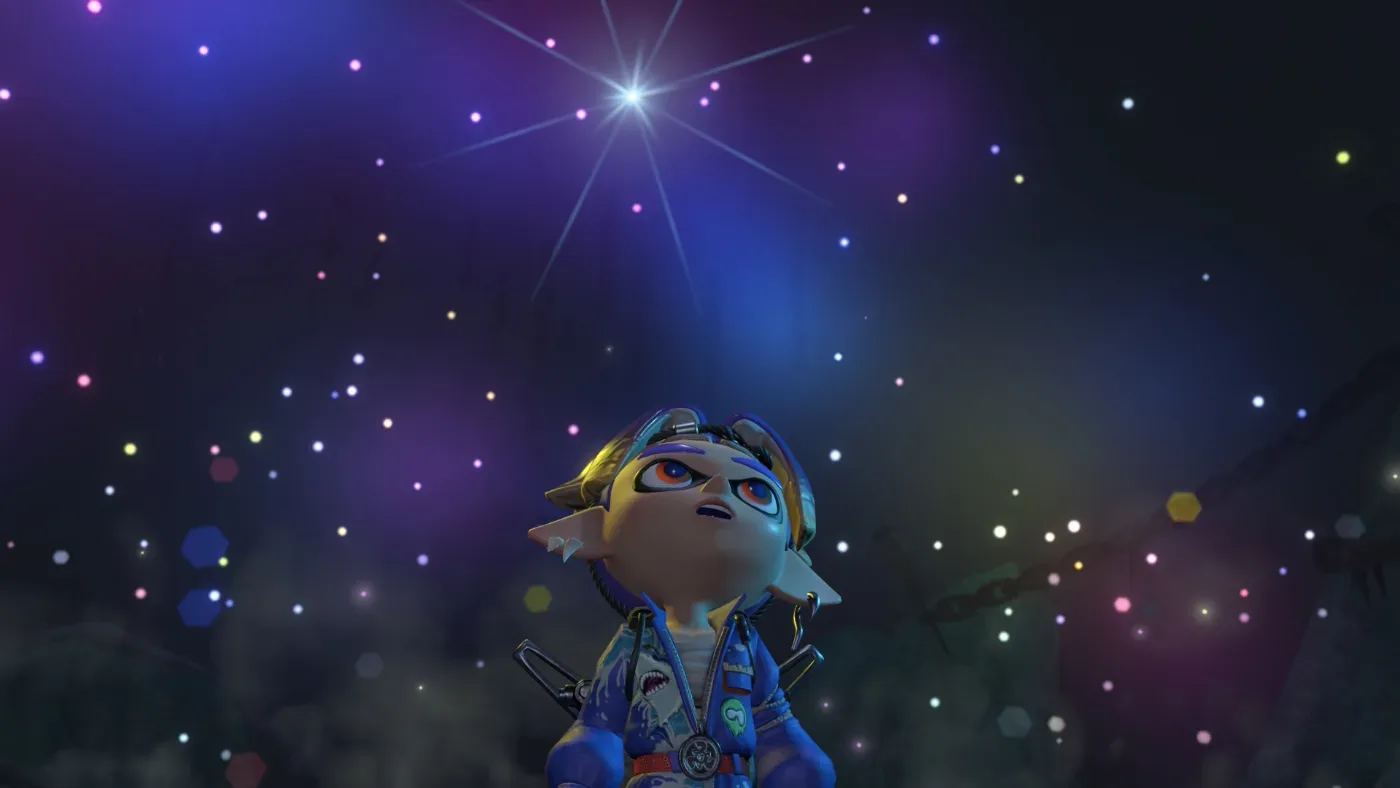
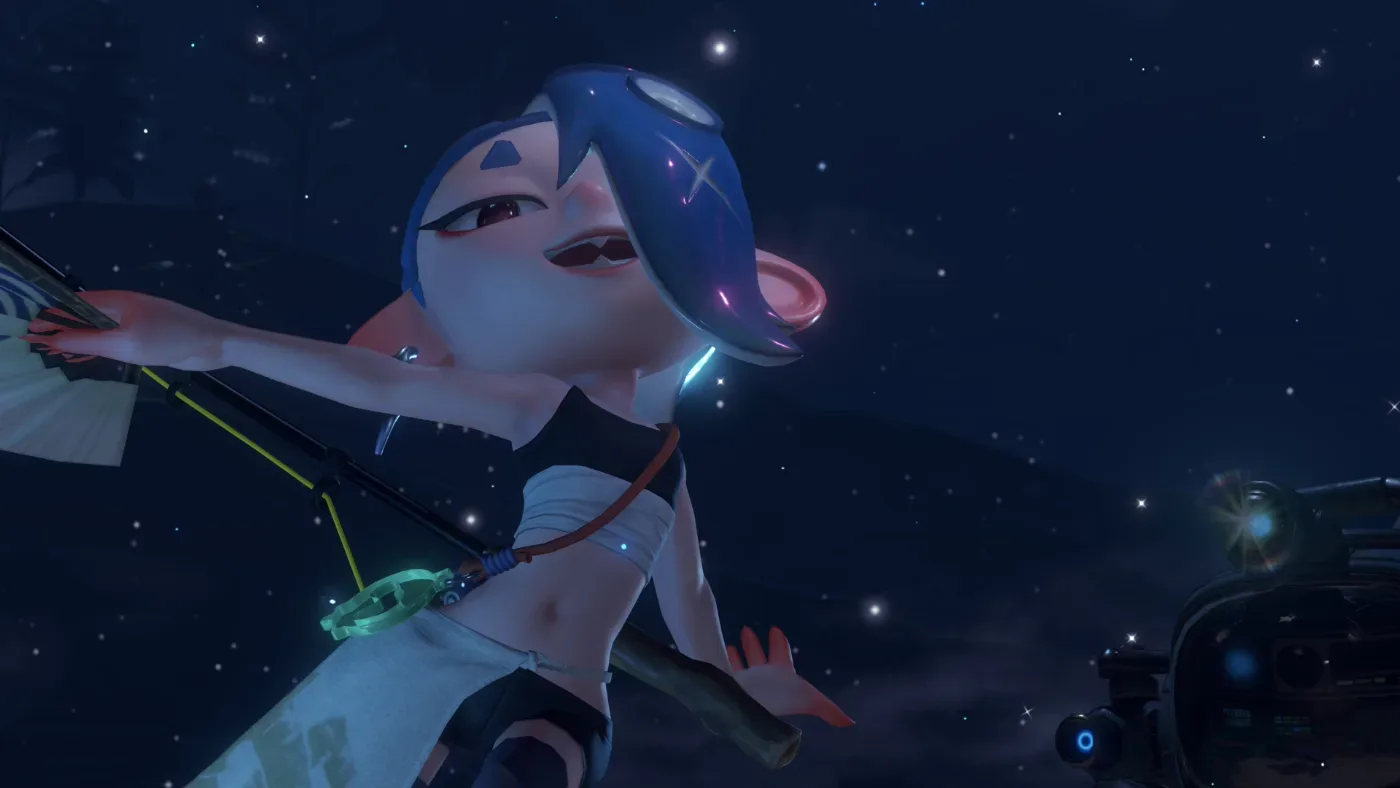
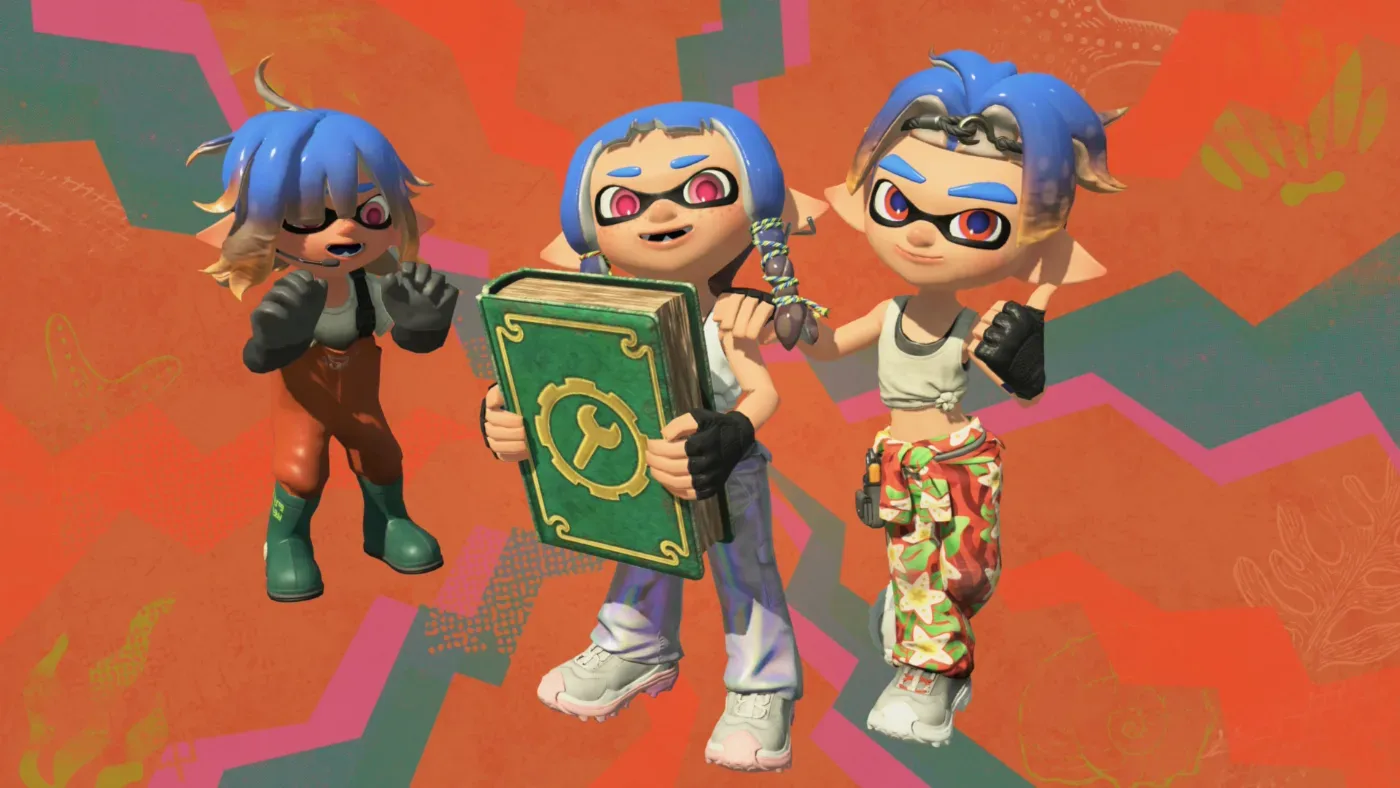
Anyway, back to customization. For all the ways that you're able to customize your gameplay to taste, what I found to be surprisingly lacking here is a robust choice of wardrobe. There are twenty or thirty outfits that can be unlocked by completing certain objectives (or scanning your Splatoon amiibos), but you're no longer able to pick and choose individual tops, bottoms, shoes, or accessories. This is a not only a step backward for the series, but also a confounding decision in a game that otherwise features such a robust customization suite. The individual clothing choices could have also served to further augment your character and increased the gameplay customization options that much further. Instead, the outfits are entirely cosmetic. It is a crying shame to see the series regress in this way, especially when self-expression and individuality is such an important part of Splatoon's identity.
This watering-down of Splatoon's in-your-face personality doesn't stop there, unfortunately. The game's soundtrack is desperately lacking the high energy punk-rock and hip-hop trappings that have defined the series for so long. I wasn't sure what to expect from Splatoon Raiders since I missed Splatoon 3, but what I'd been pretty certain of was that the music would rule. Alas, I've never been more wrong. The soundtrack of Raiders is defined largely by very natural, tribal sounds, broken up at the hideout with some funky beats from Deep Cut's boombox that sits out on the deck. Thank god for this boombox, too, because if I'd had to have the same music at the hideout as the music that plays in the levels, I might genuinely have had trouble sticking around to the end of the game, so much time is spent there. There is one track in particular that ramps up when you're under attack on some raids, and I swear they sampled and pitch-altered the roar sound effect from Valoo, the dragon in The Legend of Zelda: The Wind Waker. That idea was novel to me for about 30 seconds before it started to grate on me, and unfortunately it's a fairly common recurring piece of music. There are moments of musical greatness peppered throughout, to be fair, but they're usually blink-and-you'll-miss-it during cutscenes. I'm deeply disappointed how uninspired the soundtrack is. Even more disappointing however, is that it fits the setting its used in.
The Spirhalite Islands are, in a word, drab. Colours - besides your ink, of course - are muted, earthy, and natural in an otherwise fantastical setting. This is especially tragic when compared to Inkopolis' glitzy shiny urban aesthetic, or Splatsville's more lived-in Japanese-inspired city, or the surreal colourful pocket dimensions in which you play levels of the previous Splatoon games. Raiders has a semi-realistic archipelago setting, broken up briefly by underground sections with various biomes that feel like they're ticking off trope boxes; you've got your beach world, your lava world, your mountain world, your ice world. None of this is particularly innovative, and while it does fit the story they're trying to tell, it also leaves a lot to be desired stylistically compared to previous entries. There's just not a lot of visual creativity on display here from Nintendo. Thankfully, the writing and characters are still dripping with their trademark flash and energy, helping you stay engaged mentally, if not visually, as you mow down waves of Salmonids.
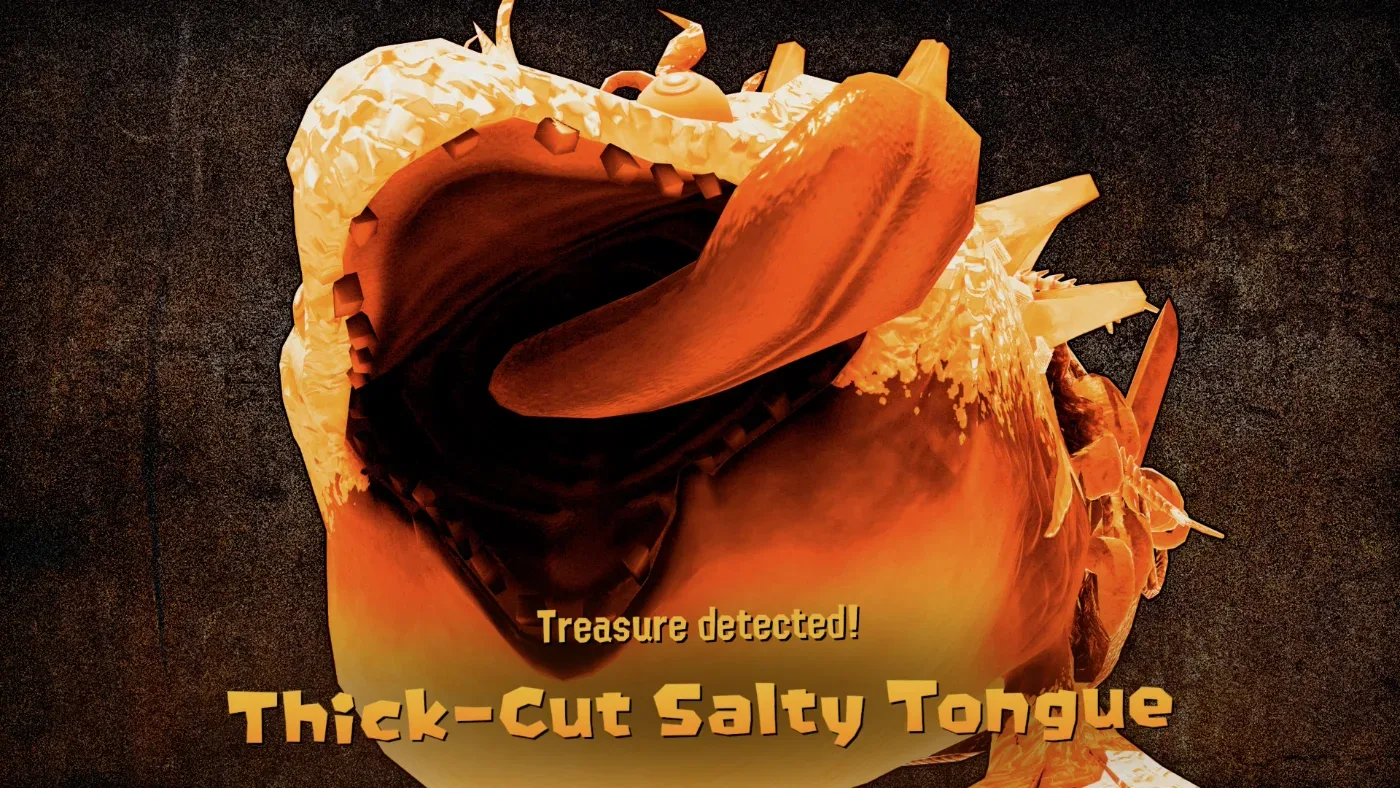
The Salmonids themselves, returning again from Splatoon 2 and 3, thankfully do a lot of heavy lifting to keep the game's presentation compelling. They are a relentless force, marching towards you with unwavering conviction of purpose. They come in waves, and they hit hard. Visually they fit the world of Splatoon, but since the Spirhalite Islands don't fit the world of Splatoon, it's a strange disconnect to see these goofy guys here. But that's not their fault, and in a vacuum, the Salmonids are a highly entertaining enemy to fight, which is good, because you'll be fighting them - lots of them- basically the whole time. There are myriad types of Salmonids with myriad ways to splat you, ranging from little Chum mobs to the enormous Salty Tongue, and everything in between. Some Salmonids can fly, some can shoot lasers, some can burrow underground, some can only be attacked from behind, and the game will throw all of this and more at you, all at once.
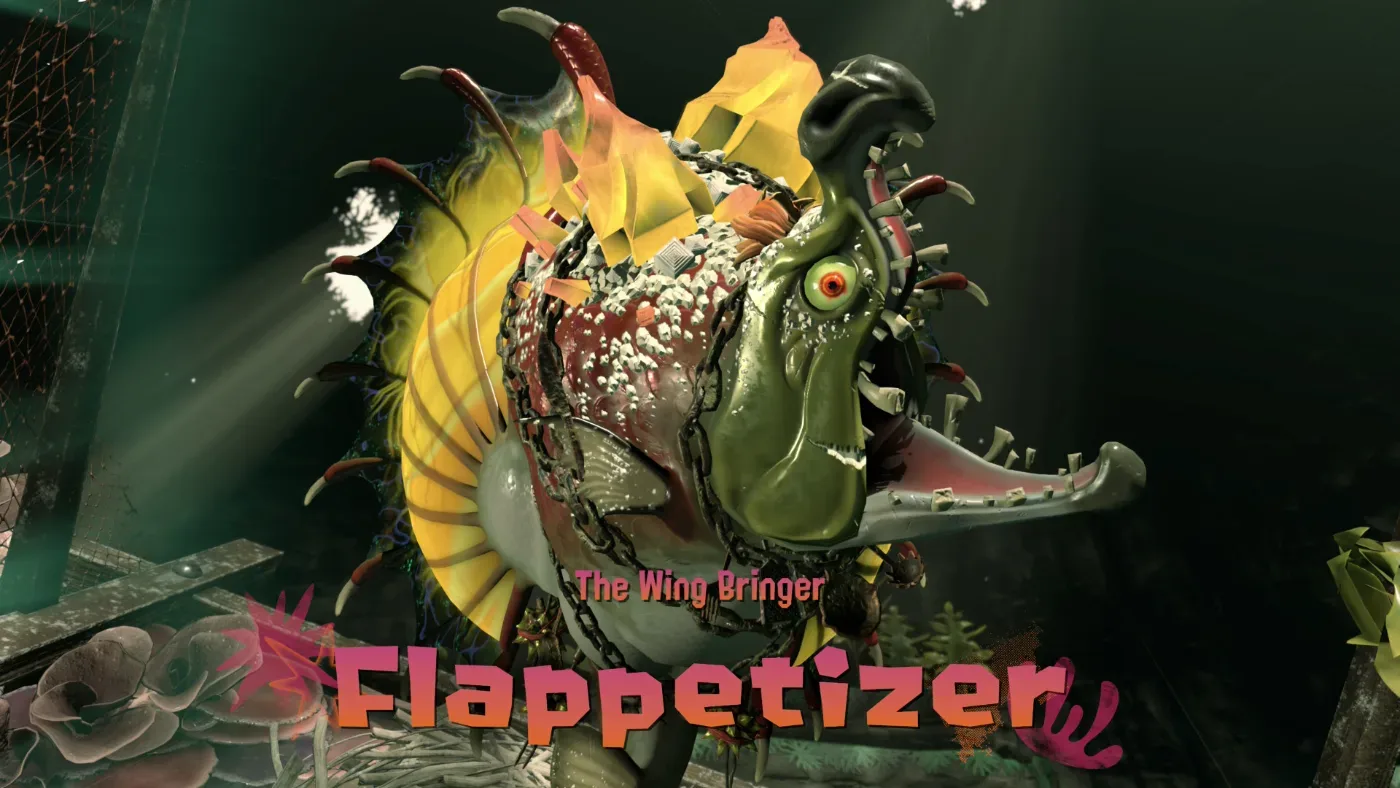
This is why your loadout is so important. I hit a point in my playthrough where it was no longer sufficient to simply play my favourite weapons and gadgets. Sometimes the enemy force is simply arranged in such a specific way as to counter your loadout, forcing you to retreat to your hideout, tentacle between your legs, and change things up. I found myself getting familiar with weapons and gadgets I may have dismissed as "not my play style" in other games. There are also tutorial-meets-challenge dungeons that force specific loadouts on you for the duration of that level. There's a lot of different play styles and strategies to learn, and Splatoon Raiders wants you to learn as many as you can. And believe me, you'll want the practice. Some of the Spicy Raids get pretty, uh, spicy. Every level and challenge has a suggested player level, but I found myself struggling on many such raids, even after meeting the suggested criteria. Some of the underground dungeons tend to be pretty claustrophobic, too, so you need to come prepared to create space for yourself by way of taking out as many Salmonids as you can, and fast.
And if you're really stuck, even after all that gear tweaking and min-maxing, because you're simply not enough of a gamer to beat a level or challenge (it happened to me multiple times, no shame), worry not! This is where the game's pared back multiplayer element comes in to play. You can request help from up to two other players to join you on your raid. You are not penalized for completing the raid in this way, though you can only request help once every half hour, which feels a bit restrictive to me. I noticed that every player that joined me had names like "Snapper" and "Steelhead" so I was suspicious that I was being paired with NPCs at first. However, I figured out that they're just protecting the identities of other players; one such player waited at the end of a level spraying everything with ink, while I fumbled my way to the top of a mountain after he'd cleared the way. He jumped up and down and said "Booyah!" when I arrived. An NPC wouldn't do that. Between missions you can go into your multiplayer history and see their player names.
You can also go help others with their raids if you so choose, and you can play local or online coop with your friends, but this entire multiplayer suite pales in comparison to the madcap action of Turf War in prior games. I know this is meant to be a single player focused entry, but it's still a shame they couldn't have iterated on the series' tried and true competitive multiplayer here. I suppose we'll have to wait for Splatoon 4. Furthermore, unlike some other Switch 2 games, you're not able to GameShare with your friends to get them into raids with you, and there's no local split screen (they could have called it Splat Screen!!). It's disappointing to see such a thin multiplayer offering here, and I find myself wondering if this evolution of the Splatoon formula is really what people are after, or if this will be a one-off.
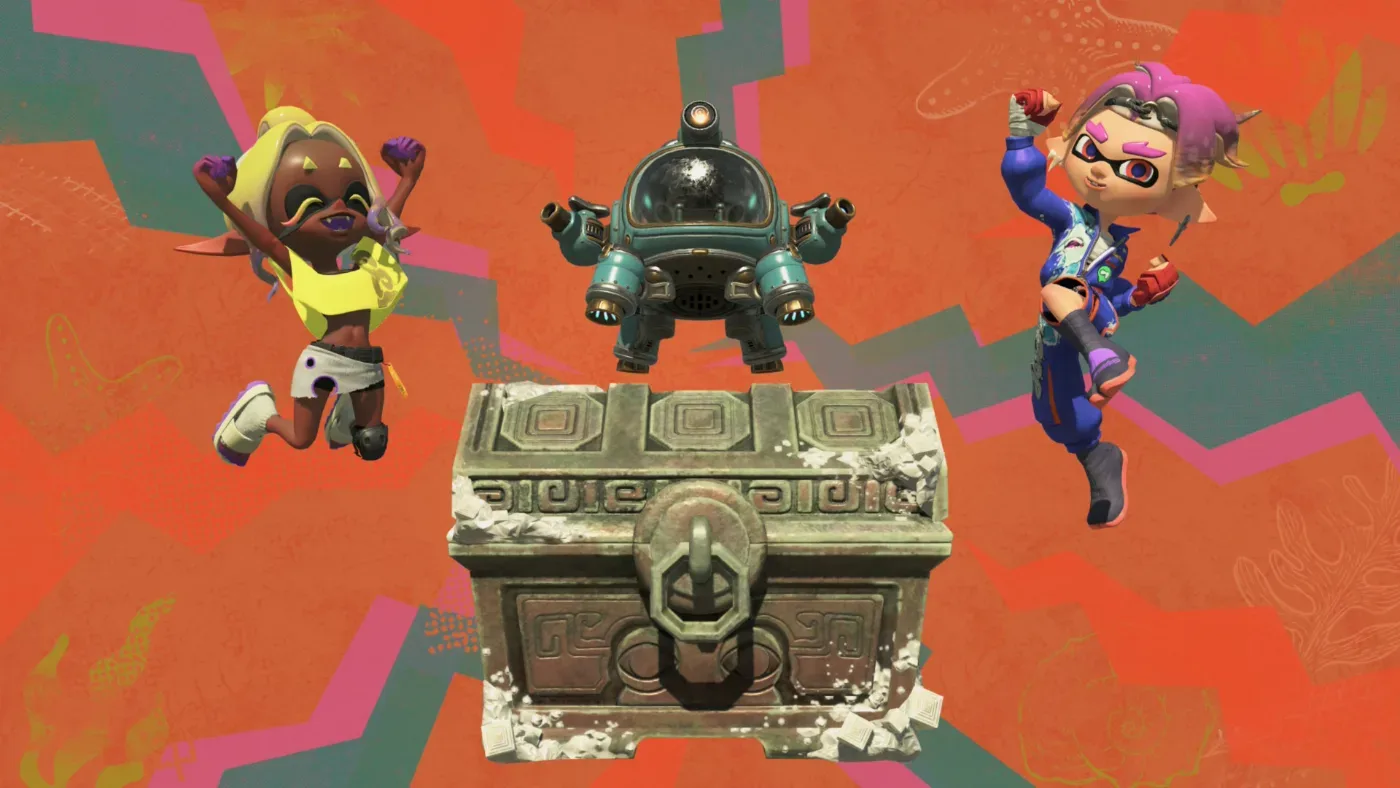
What the game lacks in multiplayer it does its absolute best to make up for with an abundance of single player content to grind out. After I rolled credits (what an satisfying final boss sequence!), the postgame offered me a few extra narrative-driven challenges, and I thought that would be the end of it. It turns out that if I wanted, my grind was only just beginning. I won't spoil it here, but there's a lot of splatting to be done here, and it's not easy, either. By the campaign's final boss (again, really cool), I felt pretty comfortably over-leveled. In the postgame, however, the reality quickly set in; I'll need to do a ton of grinding to stand a chance against these new challenges. For kids with nothing but time on their hands, this is just what an air-conditioned basement on a summer day needs. For myself, it's a reluctant pass. I have a day job.
All in all, Splatoon Raiders is a successful twist on the squid kid formula. It's a min-maxer's dream, and an entertaining addition to the Splatoon pantheon. What it tragically lacks in the presentation department, it makes up for mechanically; the gameplay is tuned perfectly to be accessible for kids and be challenging for adults. The sheer breadth of single player content almost makes up for the lack of a traditional Splatoon multiplayer suite - almost. This game was teetering between a 4 and a 5 score for me until I experienced the final boss and postgame, and now I can confidently say that Splatoon Raiders deserves the 5. An underwhelming aesthetic presentation for most of the campaign's runtime keeps Raiders from really standing head and tentacles about the rest, but don't count it out! Nintendo's finally made a day one Splatoon purchaser out of me, because Raiders splats it out of the park where it counts.